The Haflinger
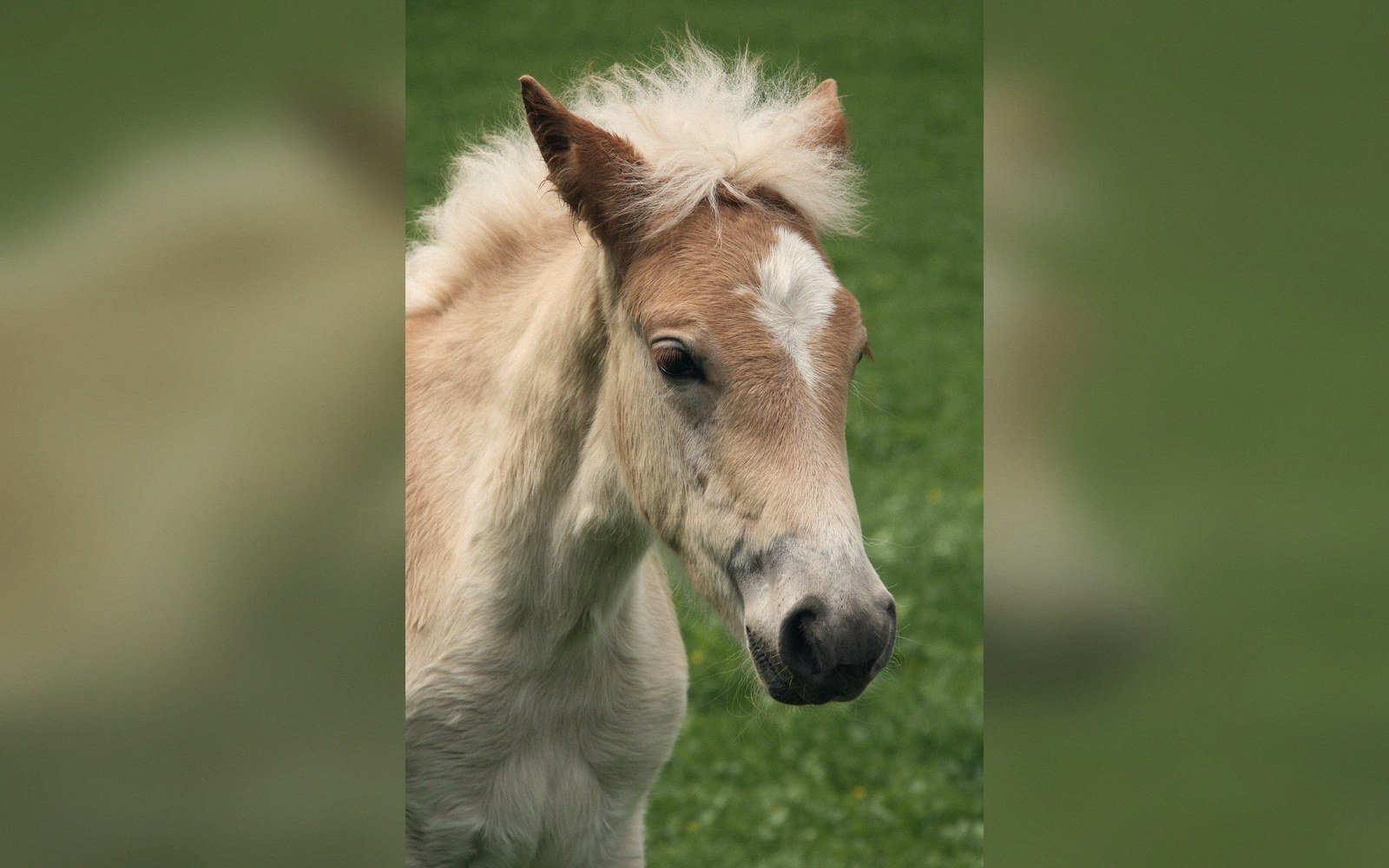
Chestnut with a flaxen mane, from the Alto Adige — small, strong, and a studbook with an unusually tight founder line.
Photo: Haflinger Fohlen 01 · Wikimedia Commons
The Work · the entry to read first
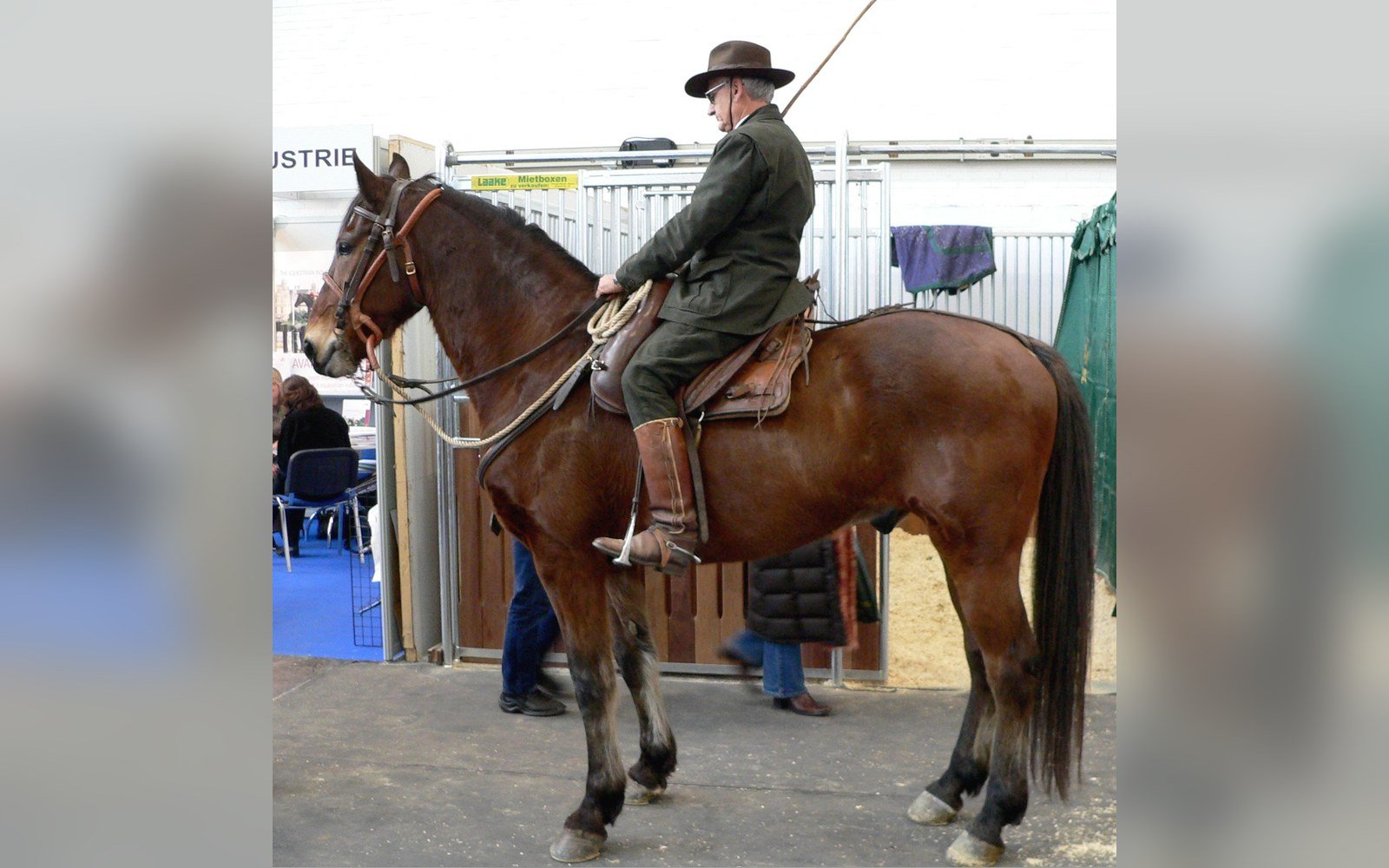
The mounted herdsmen of the Maremma, working cattle with a long stick rather than a rope, in a deep saddle built for hours rather than for show.
Photo: Marmemmano6 stehend Gang · Wikimedia Commons
Every entry is one breed, one job or one place, with the terrain that explains it.
Chestnut with a flaxen mane, from the Alto Adige — small, strong, and a studbook with an unusually tight founder line.
Photo: Haflinger Fohlen 01 · Wikimedia Commons
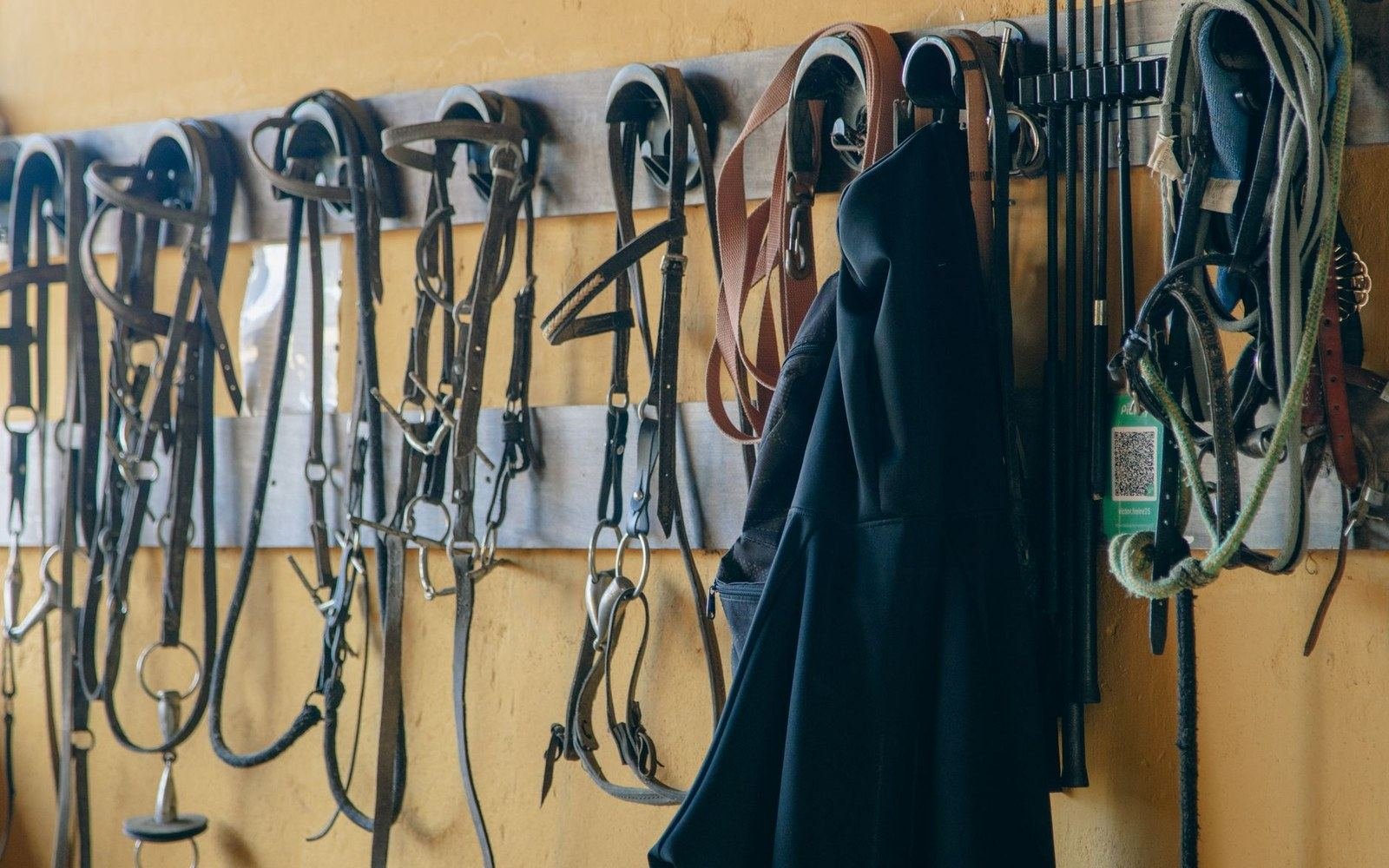
The traditional Maremman saddle, and what its shape says about the working day.
Photo: Wallace Silva / Pexels
Six more entries — and what a closed studbook actually is — sit in The Breeds and Terms.
The Ground
Marsh, alpine slope, limestone plateau and open highland. Each asked for a different animal, and each keeps its own working vocabulary. Every place named on this site is a real comune or region.
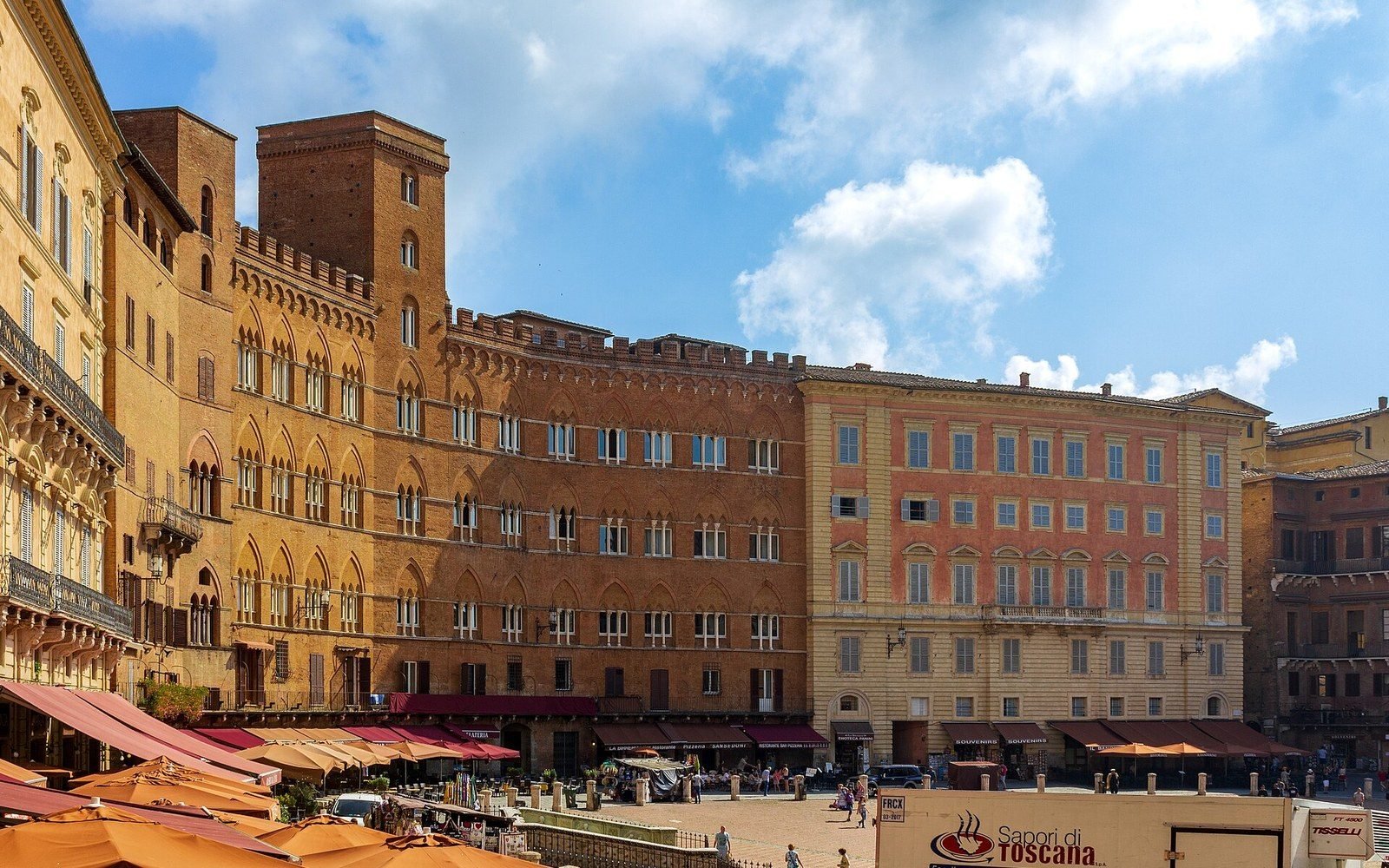
Nine places carry the subject: four kinds of ground, four breeds and one square in Siena.
Geometry: real coordinates, projected
The Maremmana cow is the other half of the job, and the horse's build follows from what it had to move.
The WorkSeasonal movement between pasture altitudes, which is what the routes were for.
TermsThe working vocabulary differs by region, and the same gait carries different names.
TermsWhat a breed actually is — a closed book, a founder population and a set of registration rules rather than a look.
Standing support for the work of this publication