Cattle and the long horn
The Maremmana cow is the other half of the job, and the horse's build follows from what it had to move.
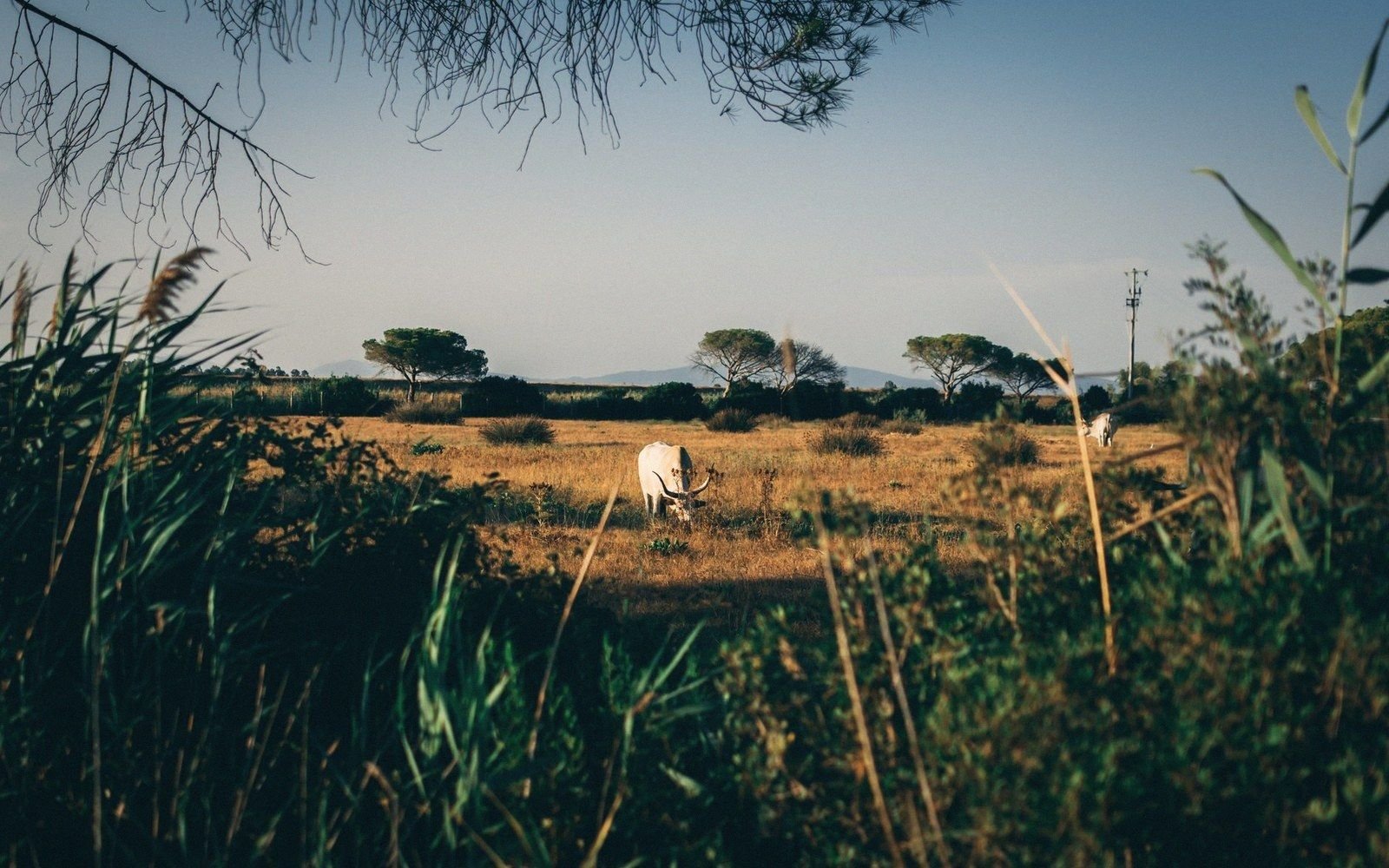
Photo: Lorenc Memaga / Pexels
The Maremmana cow shaped the Maremmano horse as surely as the marsh did — and the horn explains everything.
The animal the horse was built to move
The Maremmana is not a modern beef breed. It is a grey, long-horned ancient type descended from cattle that arrived with Italic and Etruscan herders long before anyone managed the coastal wetlands systematically. In an era of selective breeding for yield, it survived in the Maremma because nothing else thrived there: the marsh grass, the scrub oak, the wet winters and parched summers, the persistent tick-borne disease that finished softer breeds. The Maremmana cow carries those horns — long, pale, swept upward and outward — not for ornament but because they were never bred away. They remained because the cattle were managed at distance, on foot or horseback, with minimal handling, and the horns were never the handler's problem to solve.
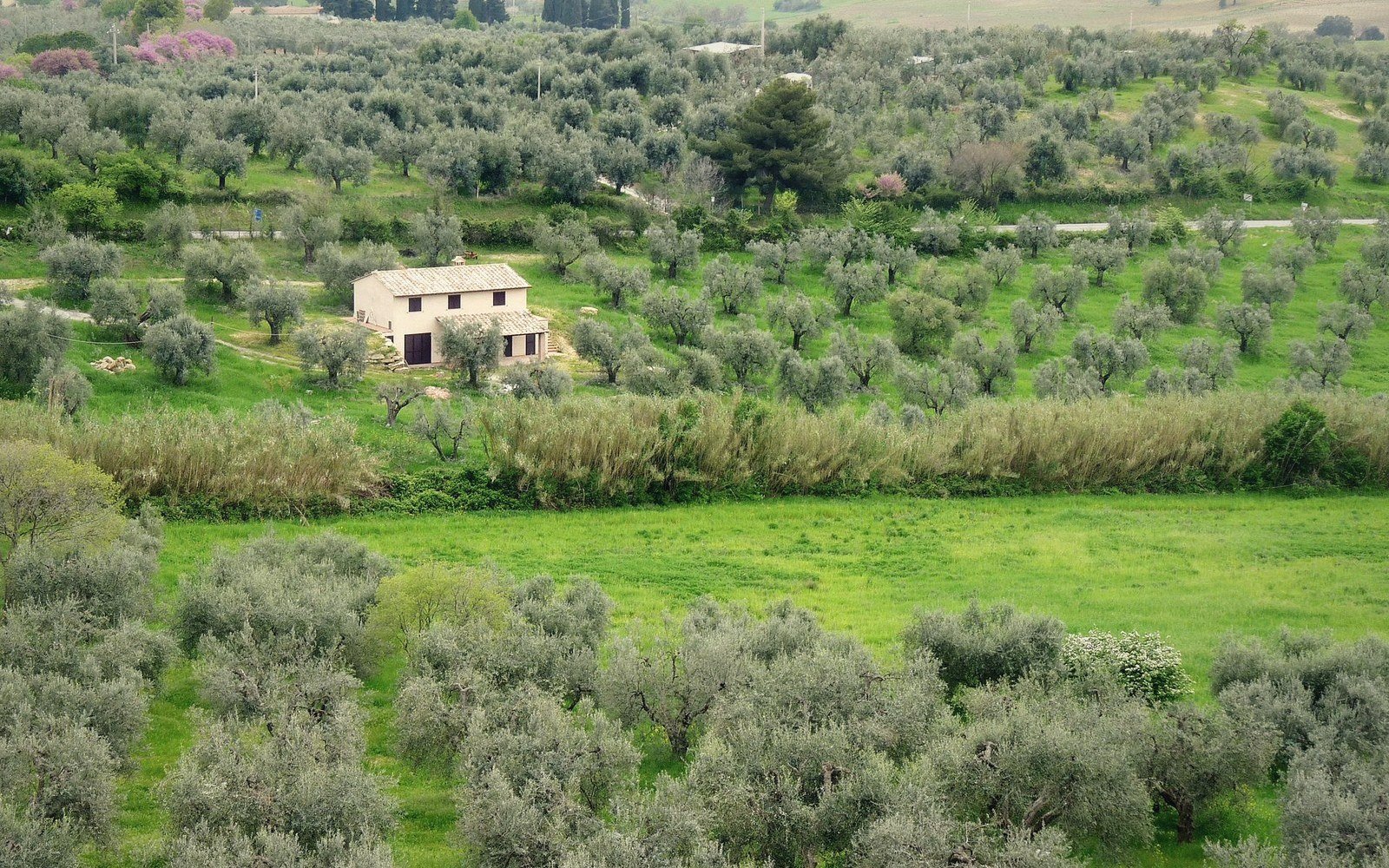
That distance is the core of the working relationship. The butteri of the Maremma — the mounted herdsmen of Tuscany's coastal plain — did not rope cattle as North American cowboys do. They moved them with a long wooden pole, the mazzarella, pressing animals laterally, turning individuals, separating a calf or a bull from the herd without roping it. To work the pole effectively, a man needs a horse that is calm under noise and unpredictable movement, wide enough in the chest to lean against a cow's shoulder, and low enough at the withers that he can use his weight rather than his arms. The Maremmano is exactly that horse: thick-necked, short-backed, with hindquarters built for short lateral effort rather than speed.
Horn, weight and what a horse must absorb
A mature Maremmana bull can reach six hundred kilograms and carries horns spanning a metre or more. When an animal turns into the horse, those horns are at shoulder height. The buttero cannot always see them coming. What this produces — over centuries of selection, with the horses that shied or bolted removed from the working string — is a breed with an extraordinary steadiness around cattle. It is not trainability in the modern sense; it is a deep indifference to bovine behaviour that reads, in a young horse, as almost excessive calmness. Breeders in the Parco Regionale della Maremma ↗, the protected coastal reserve running from Principina a Mare to Talamone, have maintained working cattle alongside horses for long enough that each generation of Maremmano foals grows up around the Maremmana herd. The spatial learning happens early and stays.
The practical consequence is a horse that corners without fuss on broken ground while a long-horned cow moves unpredictably beside it. The short-coupled build helps: a horse with a long back flexes less efficiently through a tight turn, and a tight turn is exactly what containing a Maremmana demands when she decides to leave the herd at speed across open marsh. The low centre of gravity matters too. The scafarda — the high-pommel, high-cantle working saddle traditional to this region — keeps the buttero anchored precisely because the work is about sustained lateral pressure and sudden stops, not extended gaits.
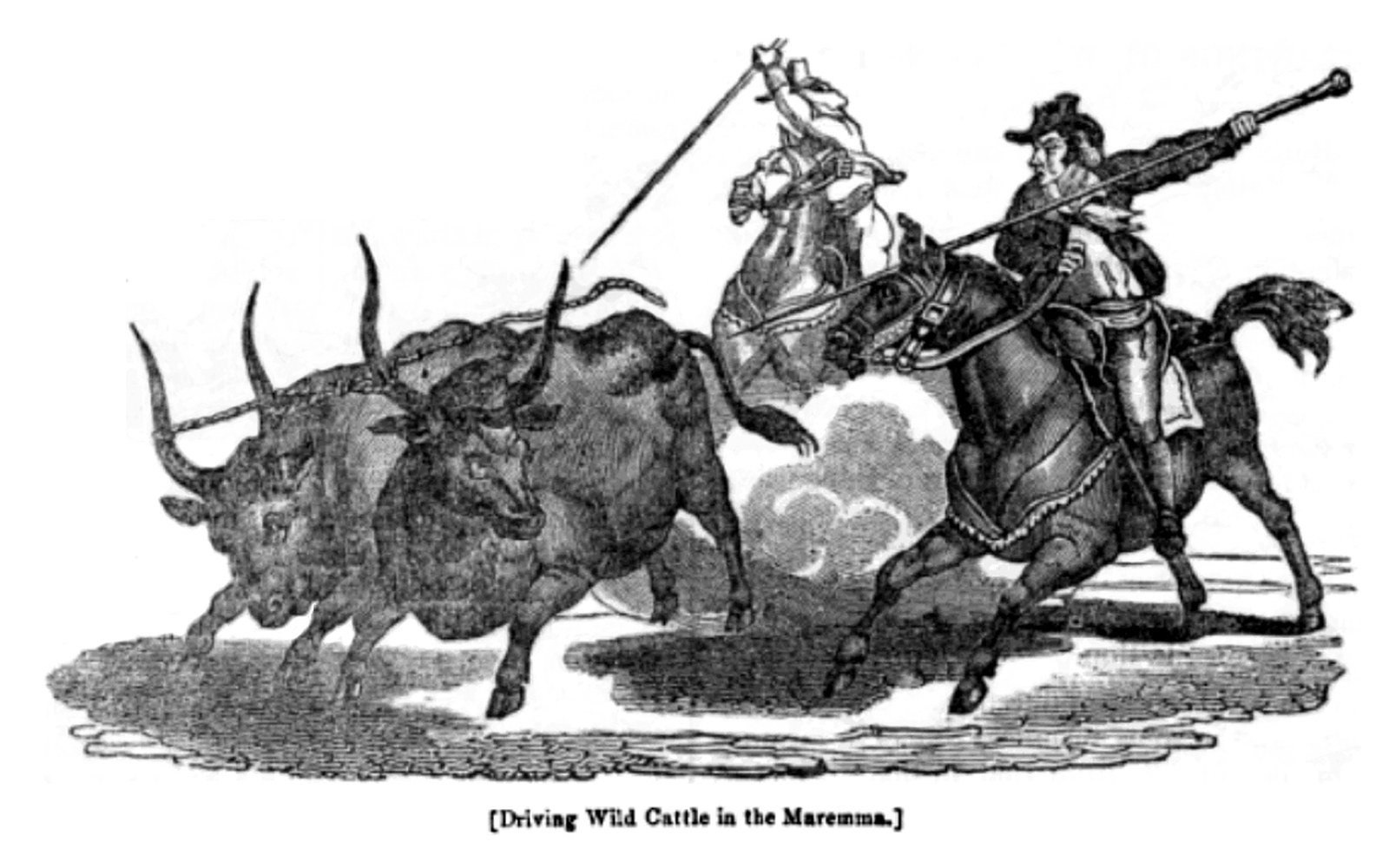
The asta is used against the flank to turn an animal: the buttero guides cattle rather than catching them.
Photo: Driving wild cattle in the Maremma · Wikimedia Commons
A paired ecology
The Maremmana cow and the Maremmano horse are not separate breeds that happen to share a landscape. They are a paired ecology that developed under the same pressures: thin, brackish pasture, seasonal flooding, summer heat, and management by a small number of people covering large ground. The transhumance routes that once moved both cattle and horses between the coastal Maremma and the Apennine summer pastures above Grosseto were shared corridors. The animals that survived those routes were the animals capable of them, and each shaped the selection pressure on the other.
That relationship is now documented rather than purely functional. Maremmana cattle carry a breed registry of their own, as do Maremmano horses, and the working tradition is maintained partly within the Parco Regionale. But the logic is unchanged: a heavy, horned, half-wild cow in difficult ground is still what the horse was built to move.
Read next