Sardinian Highland
Distance and heat rather than terrain, and a horse bred for covering ground.
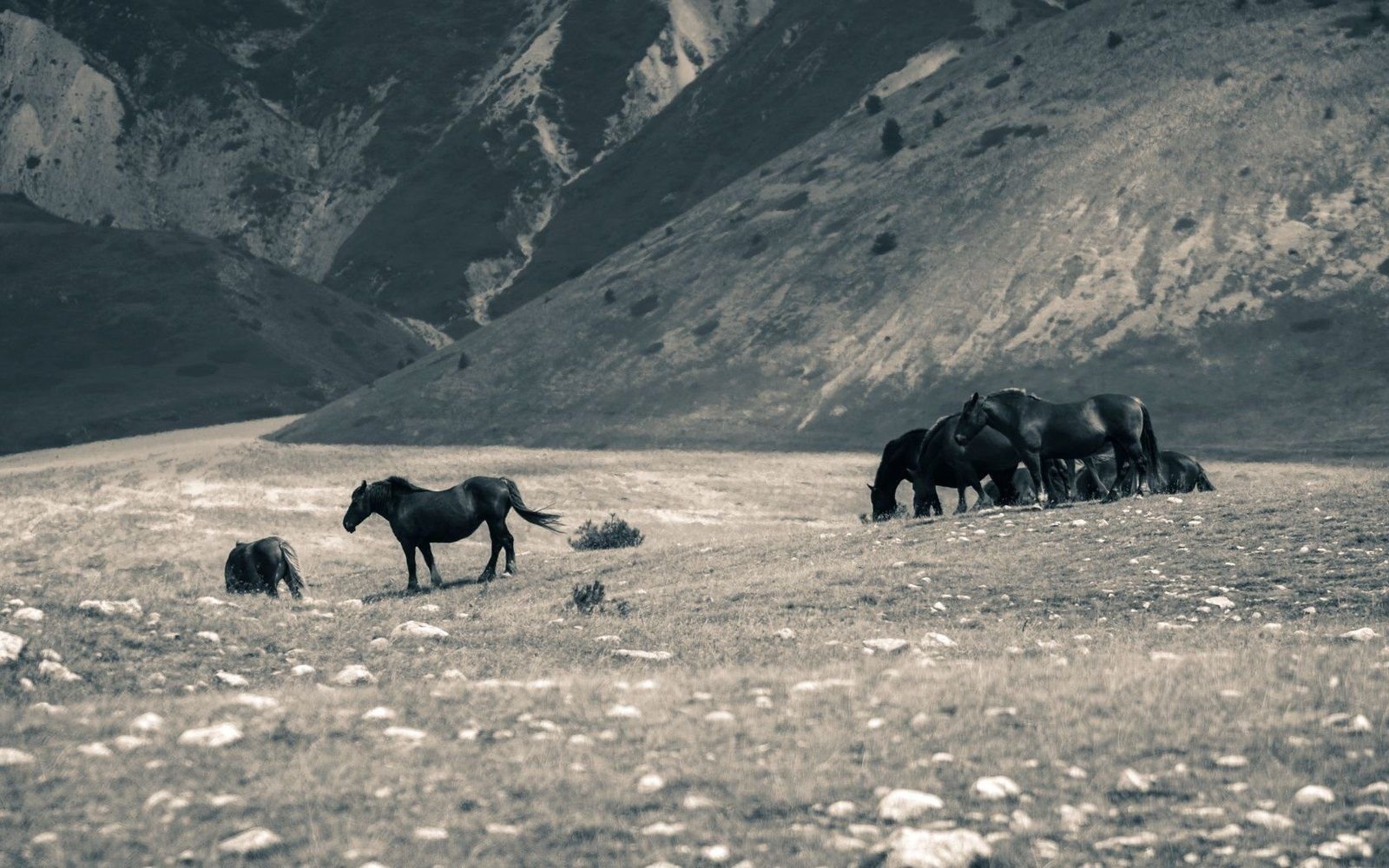
Photo: alessandro pettorali / Pexels
Inland Sardinia is not mountain country in the Alpine sense — it is a plateau of thin soil and burned summer grass that selects for endurance, not power.
Every place named in this entry is a comune or a region, and sits on the map at its real coordinates.
Geometry: real coordinates, projected
The Ground That Made the Horse
The interior of Sardinia sits well above sea level — the Gennargentu massif, in the province of Nuoro, reaches above 1,800 metres — but the defining pressure on horses here was never gradient. It was distance and heat. The plateau opens into a landscape of scrub oak, granite outcrops and summer pasture that offers little shade and dries hard from June onward. A horse working this ground all day needs a small, economical body that keeps its temperature, not a large frame requiring constant feed and water to sustain.
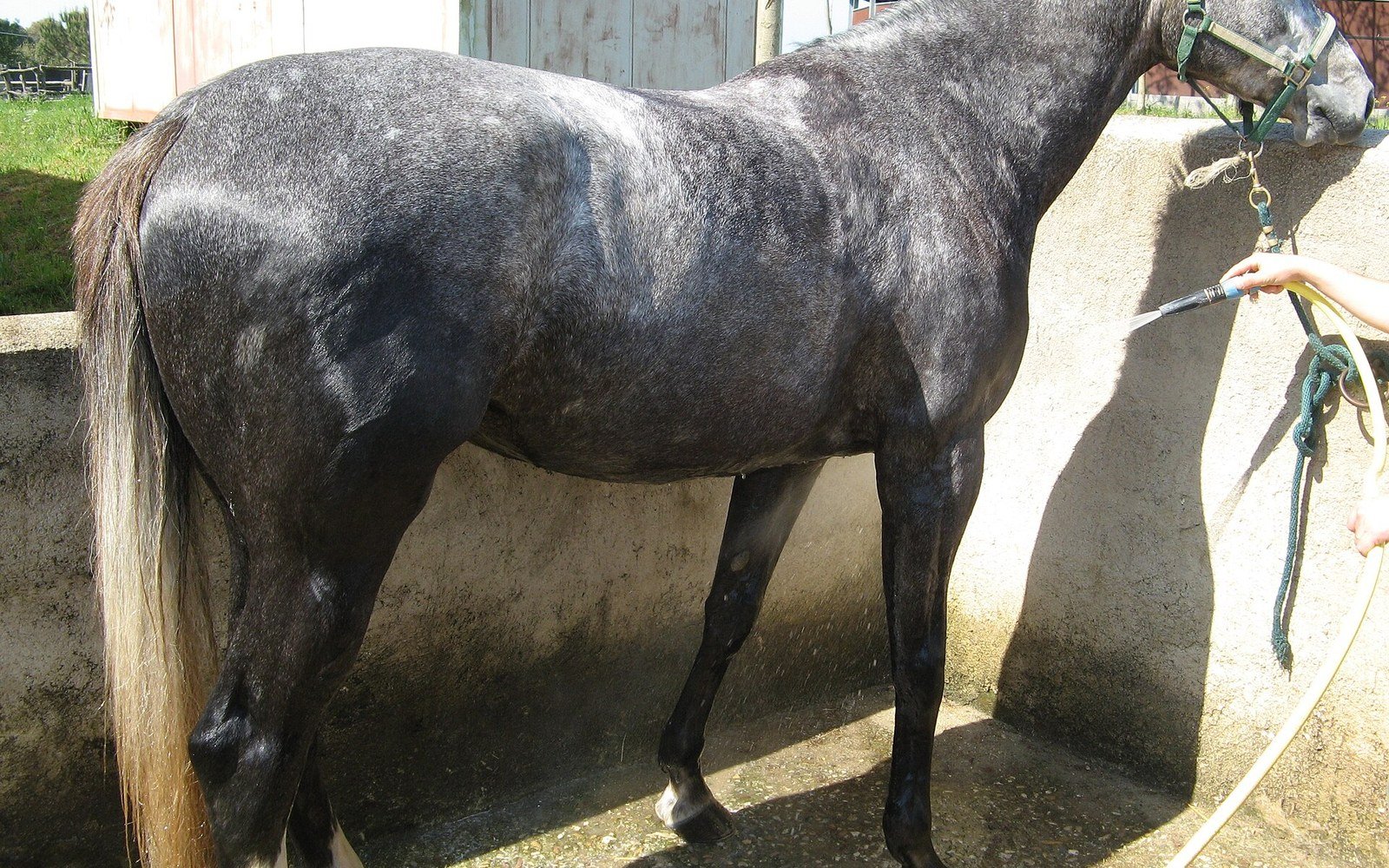
That selective pressure is old. The horses of Sardinia's interior have been documented since at least the medieval period, and the breeding culture around Ozieri, in the comune of Ozieri in Sassari province, concentrated on animals with exactly these qualities: lean, compact, with a respiratory system tuned to sustained effort over long distances at a trot rather than speed over short ground. They drank less, ate less, and kept moving.
The resulting type fed directly into the Sardinian Anglo-Arab — a twentieth-century project that crossed the island's native stock with Oriental and Thoroughbred blood, aiming to refine without losing the baseline toughness. The native half of that equation was not incidental. It was the reason the cross worked: a horse that already knew how to cover ground in the heat absorbed the additional scope of Thoroughbred stride without losing the metabolic efficiency the plateau had enforced over centuries.
The island's indigenous horse is still recorded in a breed studbook. The registration criteria still require animals to demonstrate the physical compactness and bone quality that the highland ground originally demanded.
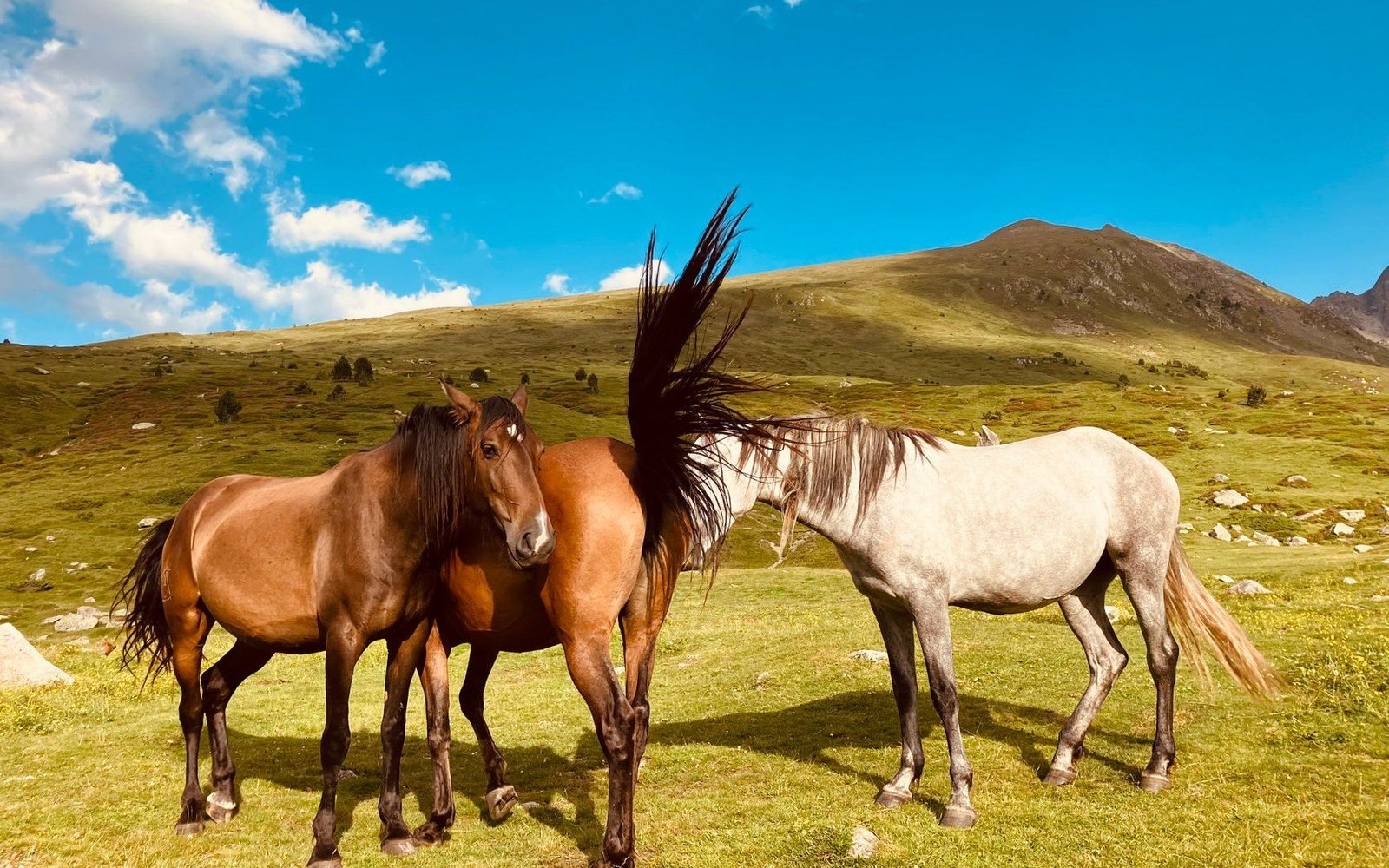
Terrain makes conformation, and conformation tells you what the animal was asked to do. The Sardinian highland horse is not built for the alpine load-carrying that shaped the Haflinger in Alto Adige. It is built for going a long way in the sun on not very much — which is precisely what the ground asked of it.
Read next