Gaits and Names
The working vocabulary differs by region, and the same gait carries different names.
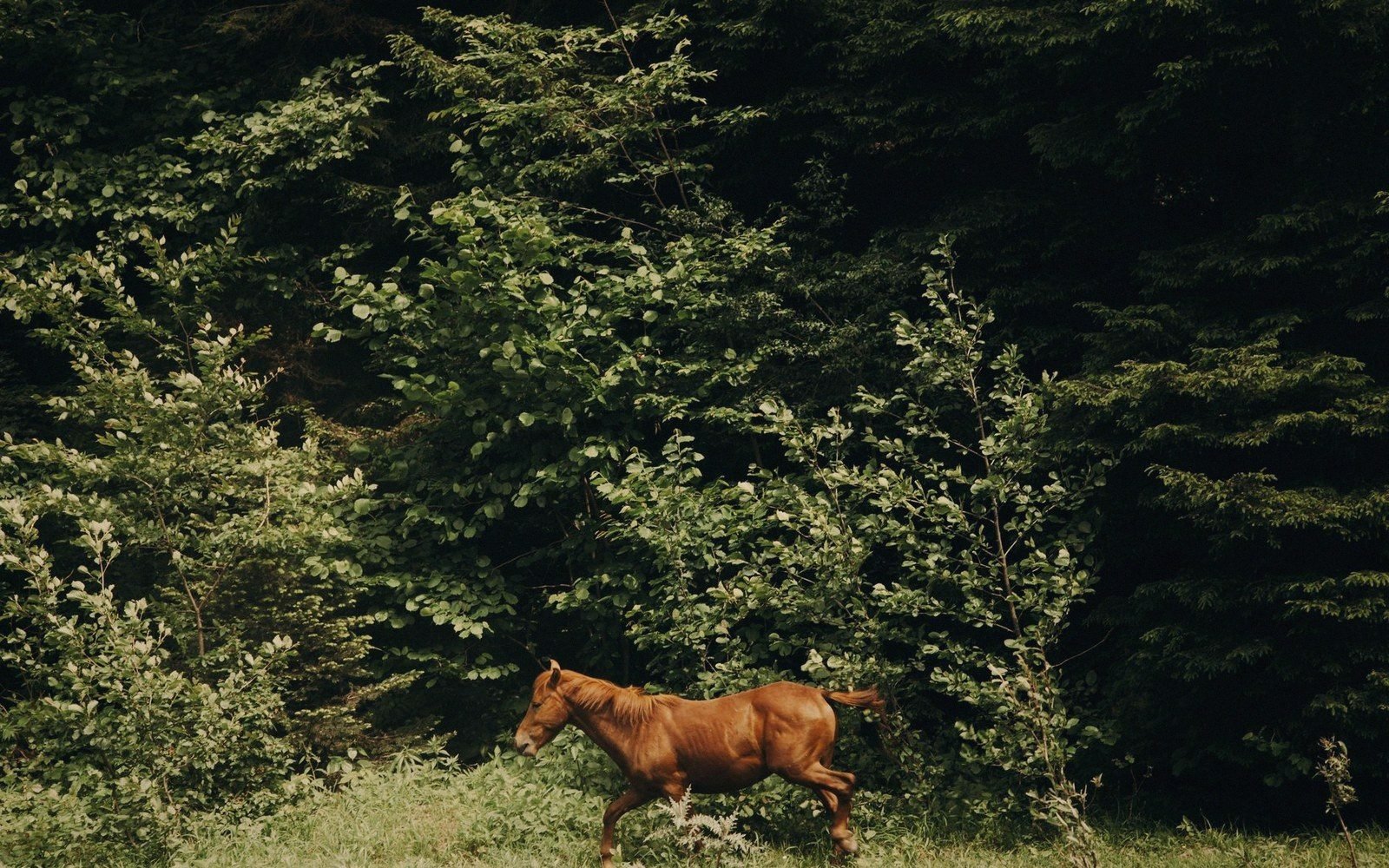
Photo: ROMAN ODINTSOV / Pexels
The same movement, a different word: Italy's regional working vocabulary is not a dialect curiosity but a record of what each terrain demanded.
The Ground Beneath the Name
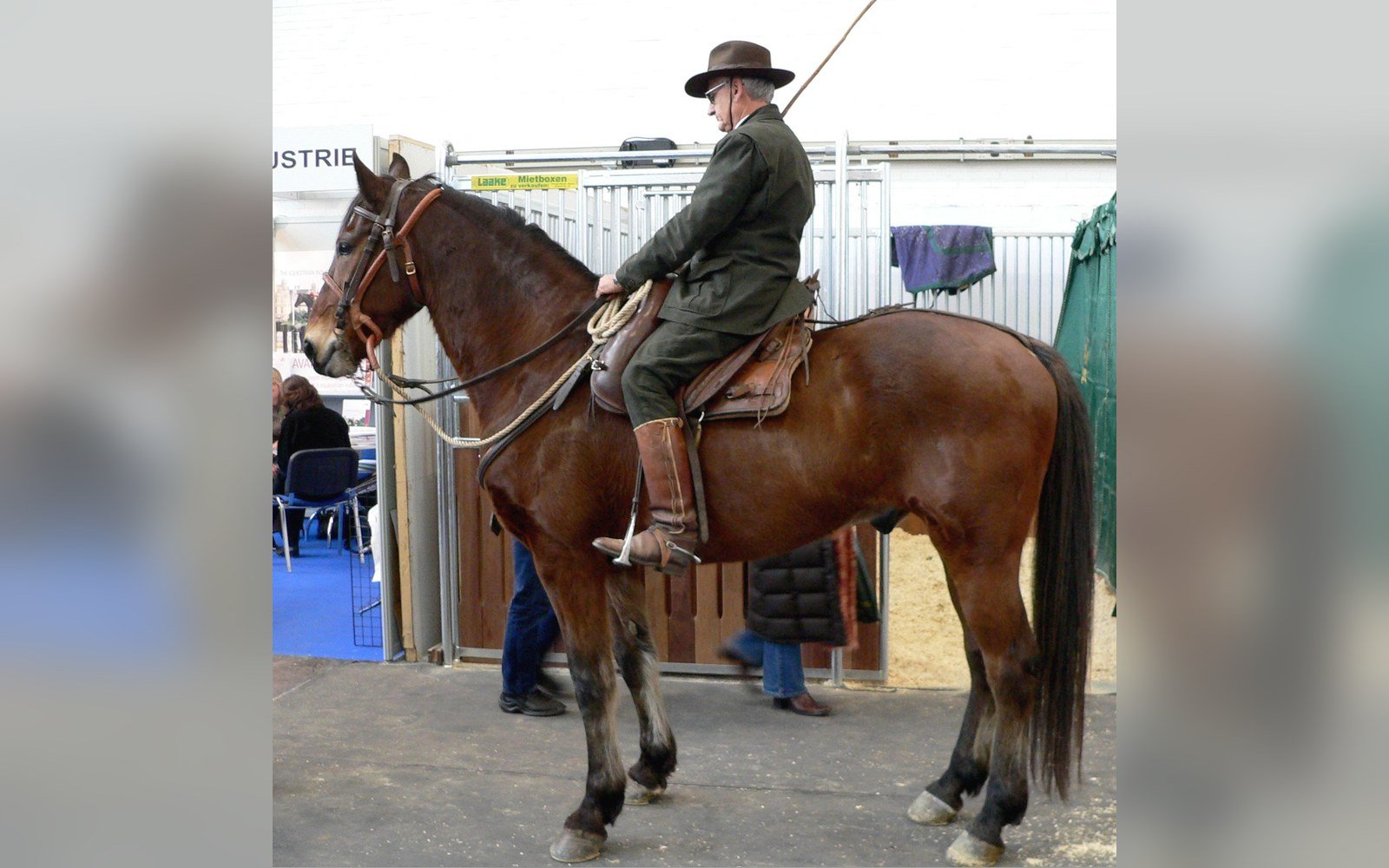
A horse's gait and its name for that gait are rarely the same thing twice across Italy's working regions. The flat, waterlogged pasture of the Maremma rewards a horse that can cover ground steadily without tiring a rider over a full cattle-working day; the Maremmano was bred to do exactly that, and the riders who used it — the butteri, mounted herdsmen working with a long pole rather than a rope — developed a vocabulary tied to pace, endurance and terrain rather than to the formal categories of classical equitation.
The four-beat amble, known in standard Italian as ambio, surfaces under regional variants wherever a horse needed to be comfortable across rough or uneven ground. On Sardinia's highlands the equivalent gait in the island's indigenous horses is called portante in some zones and passo portante in others; the distinction matters locally because it marks the difference between a gait that is natural to the horse and one that has been selected for over generations of breeding at altitude. The Murge plateau in Puglia — hard limestone that punishes a horse with no natural shock absorption — pushed breeders toward animals with a naturally broken walk, and the vocabulary around it reflects that functional priority.
In Alto Adige, where the Haflinger was shaped by steep alpine slope, the relevant term is not a lateral gait but surefootedness on a gradient: the German-influenced terminology of that region (Tritt, meaning step or footfall) sits alongside Italian equivalents in the studbook and breeding records, a reminder that linguistic borders and breed borders rarely coincide.
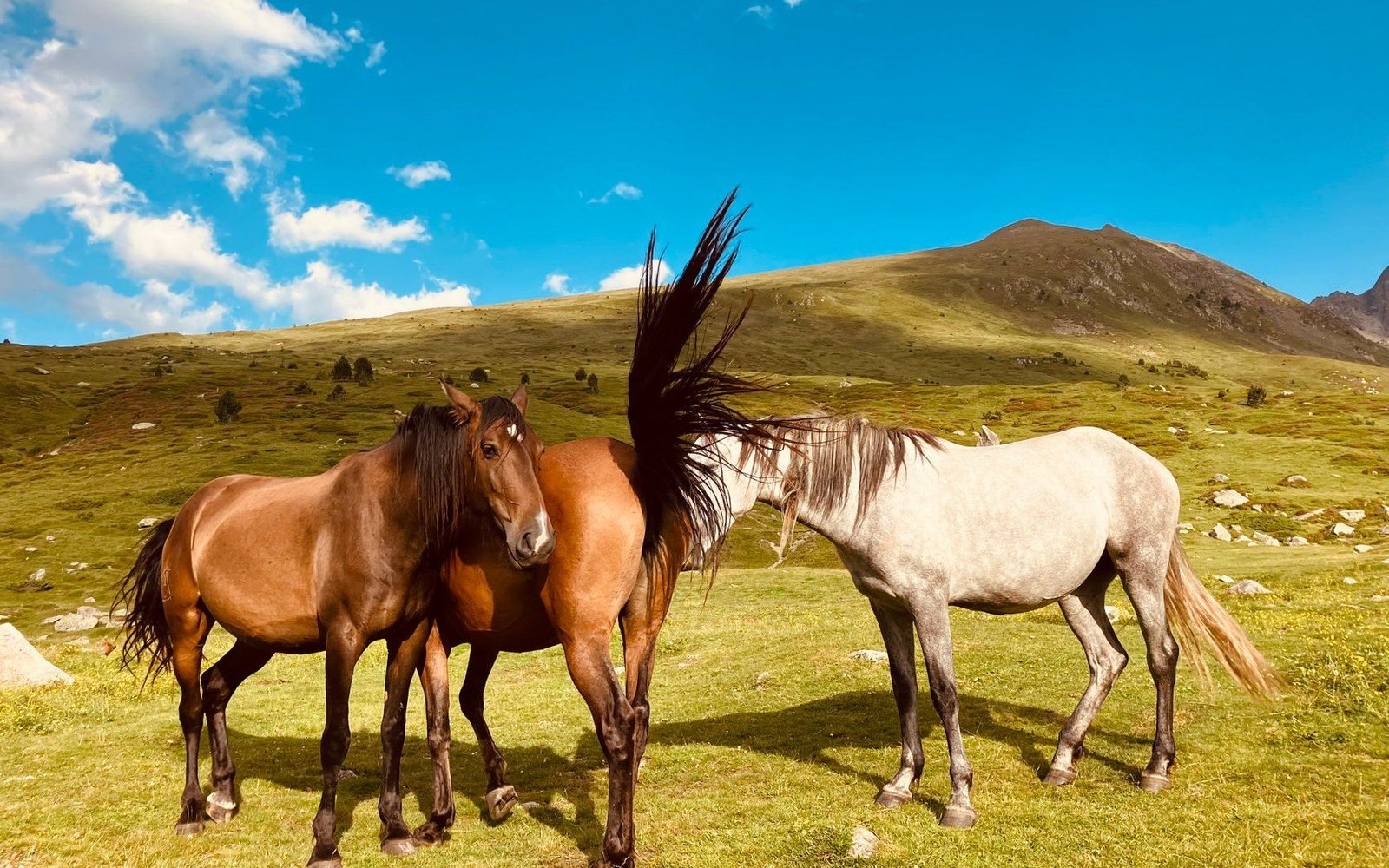
Classical Italian equitation uses trotto (trot), galoppo (canter or gallop) and passo (walk) as its anchors. Working vocabulary adds piccolo galoppo — a contained, unhurried canter suited to open pasture — alongside the ambleur tradition borrowed into northern Italy from French and Swiss Alpine practice. The Palio at Siena, by contrast, demands nothing nuanced: ten horses run a galoppo around the Piazza del Campo, and the only gait that matters is the fastest one possible.
Read next