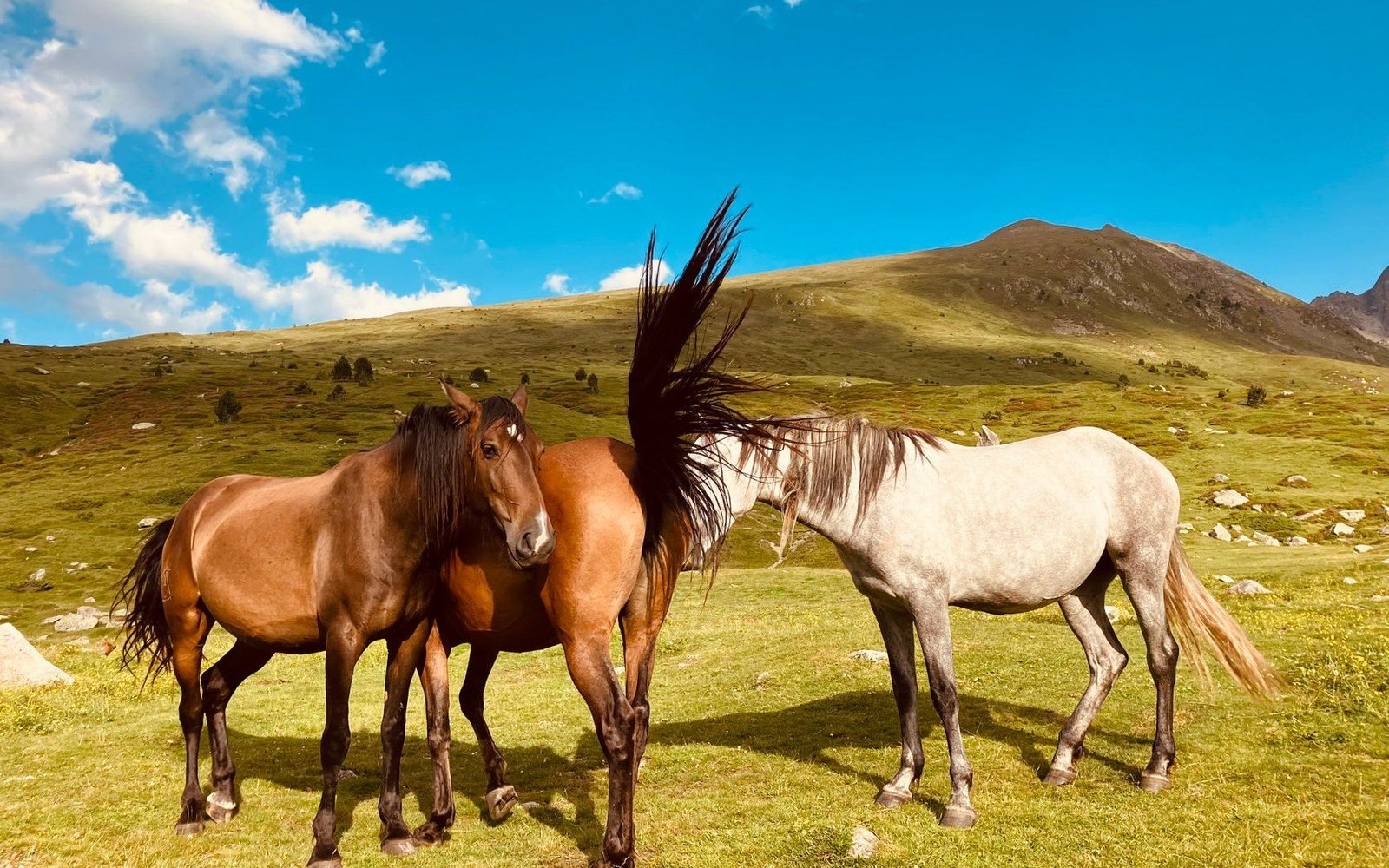
Photo: Xavier Pad / Pexels
Transhumance — the seasonal migration of livestock between lowland winter pasture and highland summer grazing — is not a peculiarly Italian practice, but Italy's terrain made it particularly consequential for horse breeds and working culture alike. When the grass on the Maremma's coastal marshes gave out in summer heat, or when the high pastures of Abruzzo froze solid in December, a herd that stayed put died. The animals moved because they had to, and the people and horses that moved them were shaped by that necessity across centuries.
The routes themselves — the tratturi, broad grassy corridors sometimes hundreds of metres wide — were legal instruments as much as physical ones. The Kingdom of Naples codified them from the fifteenth century onwards, and their widths and boundaries were enforced through a system of royal customs ↗ that taxed every animal crossing. Moving a herd of Maremmana cattle from summer highland to winter plain and back again was not a pastoral idyll; it was a logistical operation requiring planning, labour, horses, and money.
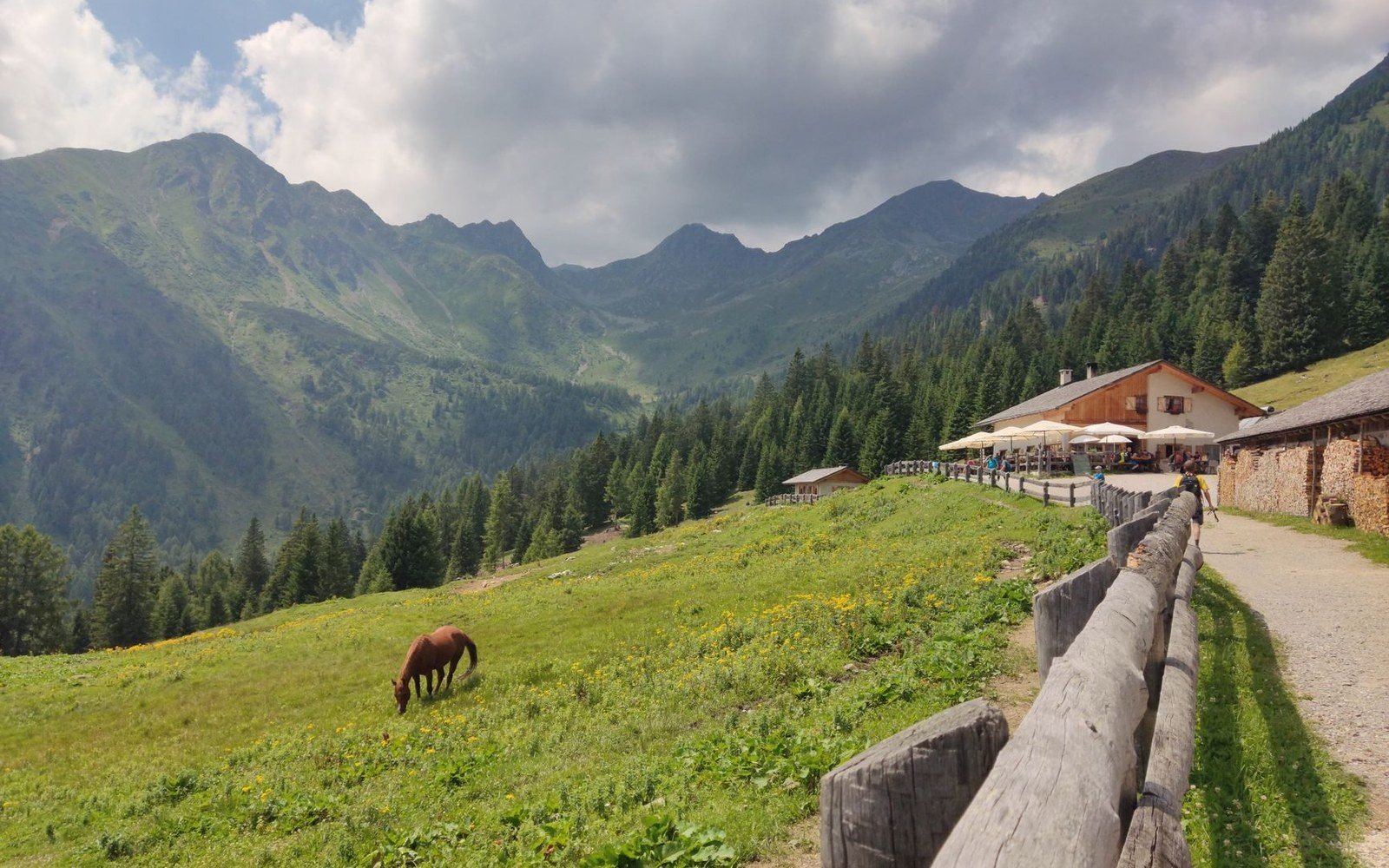
On Alto Adige slopes the working unit was the maso below and the malga above, with the crop moved between them.
Photo: Federica Flessati / Pexels
The horse's role was specific. Sheep could be walked by shepherds on foot; cattle required riders who could cover ground quickly, read the herd's movement across open country, and hold the flanks of a column stretched over kilometres of track. The butteri of the Maremma — mounted herdsmen working the coastal marshes around Grosseto — were the southern end of a system that reached north into Tuscany and east into Lazio and Abruzzo. Their horses needed stamina above speed, surefootedness over broken ground, and the temperament to work steadily for hours without incident. Those pressures produced exactly the kind of animal the Maremmano became.
Chronology
Chronology
- 14th centuryKingdom of Naples begins formal codification of tratturo routes
- Late Maytraditional spring departure upward to highland pasture
- Autumn (pre-snow)return drive to lowland winter grazing
- 20th centurymechanised transport displaces walking transhumance progressively
The timing was fixed by climate, not calendar: spring movement upward when the valley grass failed in late May, autumn movement downward before the first mountain snow. A good horse on transhumance might cover forty kilometres in a day, repeated across a week or more. A horse that fussed, stumbled, or tired early was a liability on those terms, and the working stock was culled accordingly — not by registry, but by usefulness.
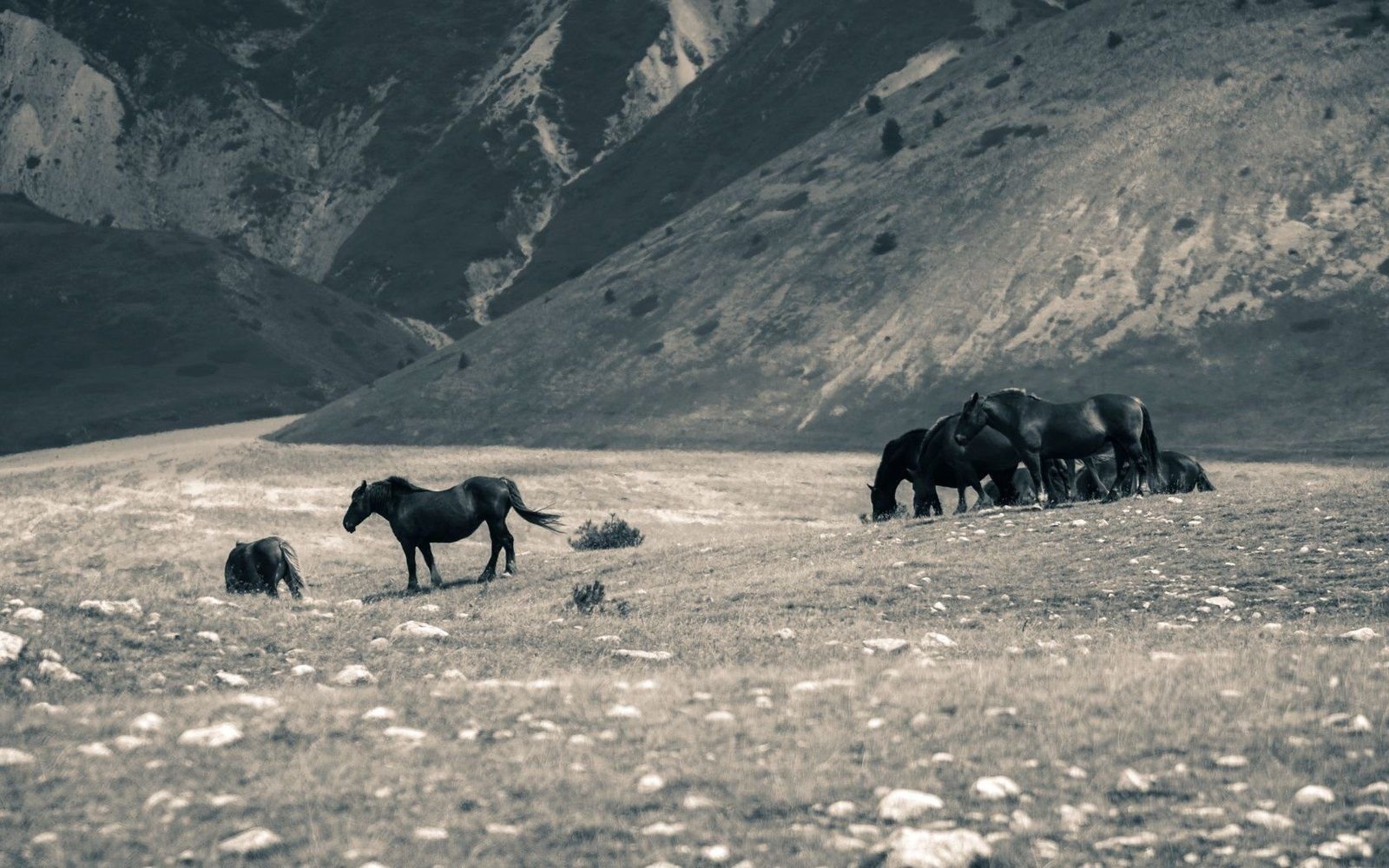
Sardinian breeding country is open and hot: the horse selected there was made for distance, not for turning.
Photo: alessandro pettorali / Pexels
Mechanised transport collapsed the practice through the twentieth century. Most of what remained became seasonal trucking. The routes survive patchily as rights of way, protected in parts — the central Italian tratturi are monitored by regional authorities — but the living system that maintained them, horse included, is largely gone.
Read next