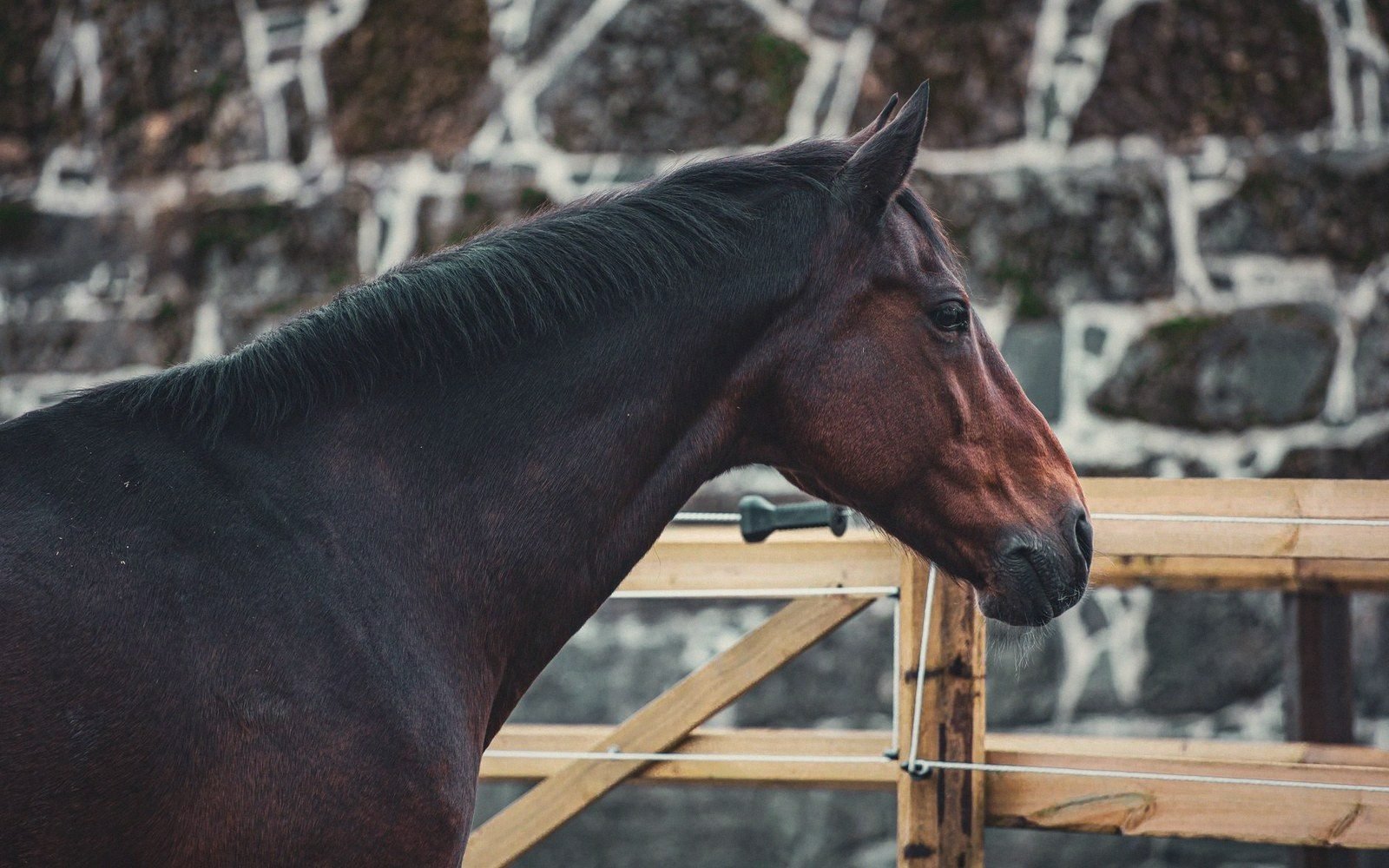
Photo: Aliaksei Semirski / Pexels
A breed is not a look. It is a set of rules — about which animals may reproduce within it, which offspring qualify for registration, and who keeps the record. The look follows from those rules, across generations, as the gene pool narrows and traits fix. Without the rules, and the institution that enforces them, the word "breed" is just a description that anyone can use for anything.
The formal instrument is the studbook: the register in which every qualifying animal is entered by name, parentage, date of birth and, in most modern books, a unique alphanumeric identifier. Different studbooks set different thresholds for entry. An open studbook accepts animals from outside the recorded pedigree if they meet a performance or conformation standard; a closed studbook admits only animals whose parents are already in the register. The moment a book closes, the gene pool it contains becomes, in genetic terms, a founder population — the finite set of individuals from which every future registered member must descend.
That closure is consequential. It fixes the upper limit of genetic diversity the breed will ever have, because no new material enters. The smaller the founder population, the more closely all later animals are related, and the more rapidly traits — and the risks that come with limited diversity — concentrate. The Murgese was rebuilt in the twentieth century from a genuinely small number of animals, which is why Italian breeders and the national registry track its pedigrees with particular care. The Haflinger studbook traces every living animal in the breed to a single founding stallion, 249 Folie, born in 1874 in Schluderns in the Vinschgau valley of Alto Adige — a textbook case of a breed defined by, and genetically rooted in, one recorded moment of origin.
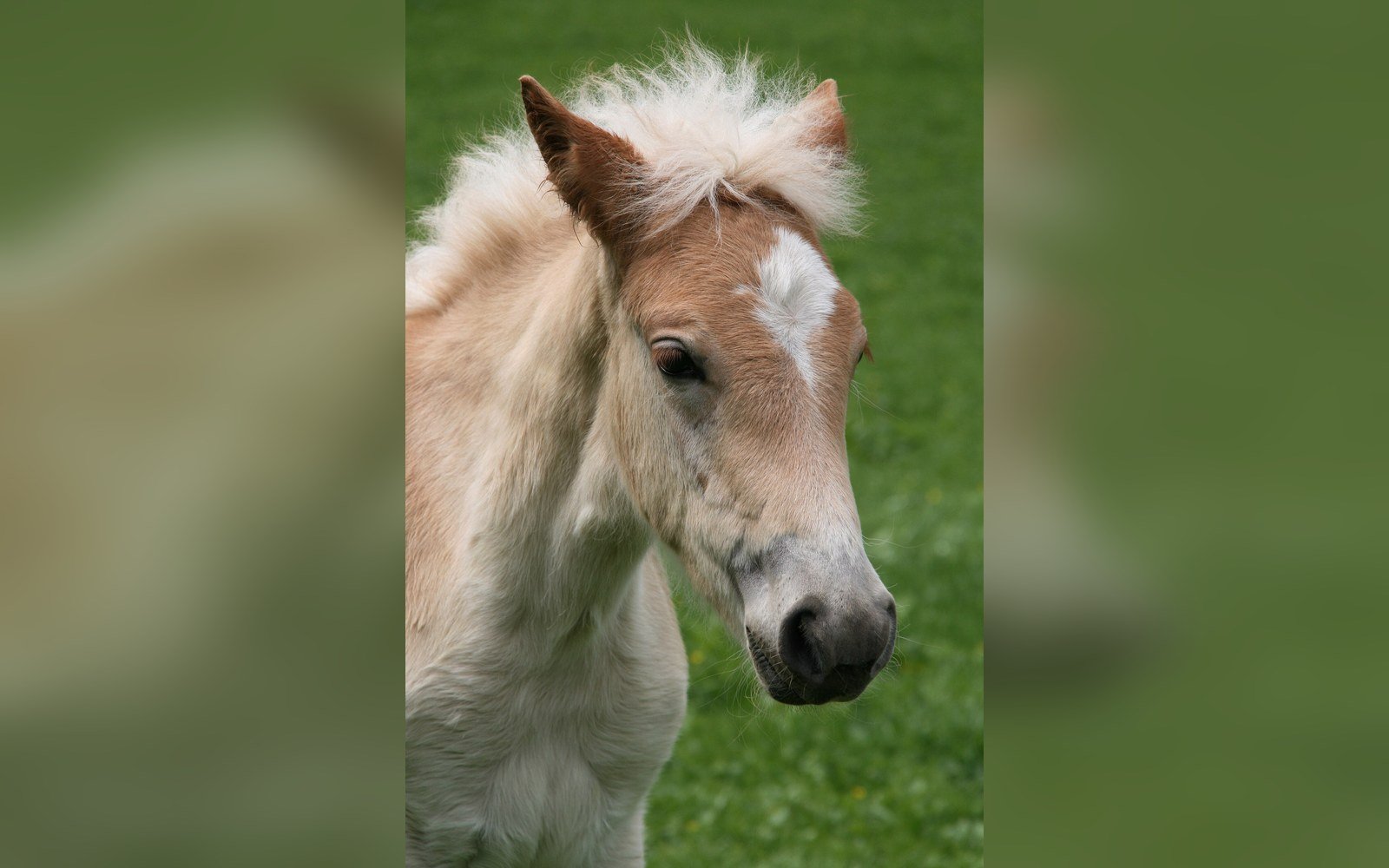
Every Haflinger in the studbook descends from one stallion, and every registered sire belongs to one of seven letter lines.
Photo: Haflinger Fohlen 01 · Wikimedia Commons
Registration rules and what they actually decide
What a studbook records, and what it refuses, shapes the animal over time more surely than any deliberate selection plan, because exclusion is always the mechanism. A mare that does not meet the inspection standard is not registered; her offspring cannot enter the book; her line dies, for the breed's purposes, with her. Repeat that across hundreds of decisions over decades and the result is a population progressively shaped by whoever wrote the original standard and whoever enforces it now.
In Italy, breed registries for equines are administered under the oversight of national bodies — ANAM (the National Association for the Improvement of Horse Breeds) coordinates much of this work — alongside the specialist breed associations that maintain individual studbooks. The state sets the legal framework; the breed association manages the detail: inspection criteria, stallion licensing, DNA verification and the annual publication of new entries. Sardinian Anglo-Arab registration involves additional complexity because the breed is a deliberate cross and the rules must define permissible percentages of each contributing bloodline, not simply closed parentage.
Inspection, in Italian equine registration, is typically physical: a licensed judge evaluates conformation against a breed standard — proportions, bone, movement, sometimes specific colour rules — and the animal is either approved or not. The Haflinger's chestnut coat with flaxen mane is not incidental aesthetics; it is in the standard, and a foal that deviates from it cannot be registered in the main book regardless of its pedigree. In this way, visible traits become genetically embedded not because breeders select for them abstractly, but because the registration system excludes their absence.
The phrase "purebred" is often used loosely in conversation, but in technical terms it means only one thing: both parents are in the same closed studbook, and the offspring qualifies for entry into it. It says nothing about quality, soundness or suitability for work. A registered animal is a documented animal; documentation is what the studbook provides, and the value of that documentation depends entirely on how reliably the rules behind it have been applied.
A breed, then, is ultimately a promise about recorded descent — a commitment by a community of breeders and an institutional registry to maintain a coherent, verifiable lineage through time. The animal in front of you is the current result of that agreement.
Read next