Photo: Federica Flessati / Pexels
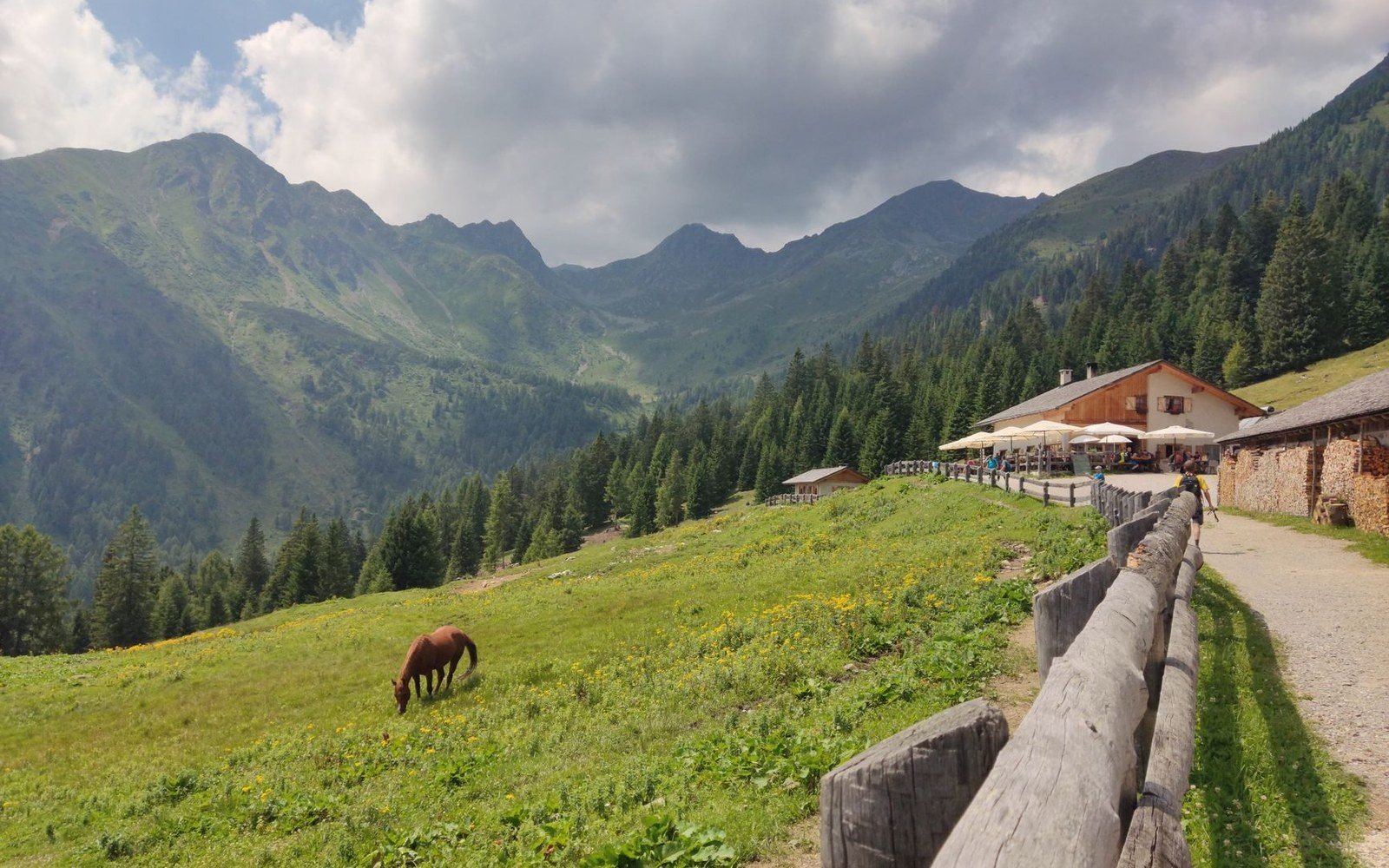
The Alto Adige rises fast. What is flat valley floor at Merano becomes steep pasture within a few kilometres, and above that, scree, rock and snowfield. The gradient is not incidental to the story of the horse that evolved here — it is the entire explanation for why the Haflinger looks the way it does.
A large horse on a steep Alpine slope is a liability. Its weight loads the forehand on the descent; its stride length becomes a problem when a single misstep dislodges rock or tips the balance; its bulk prevents it from turning on the tight switchbacks that connect terrace to terrace in the traditional masi, the high farmsteads of the South Tyrol. The mountain selected against size, and it did so over centuries.
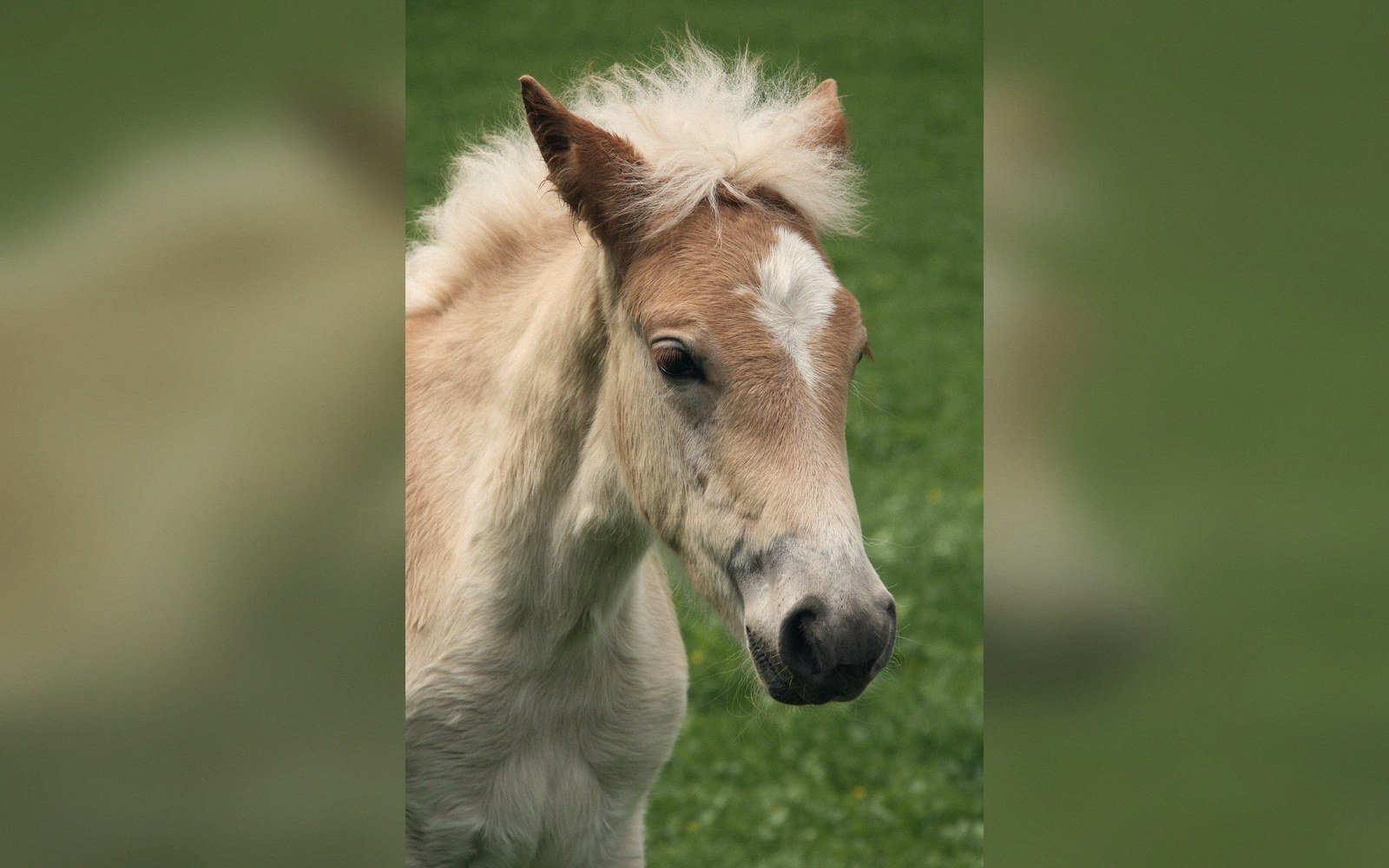
Haflinger foals are born dark and lighten to chestnut; the flaxen mane and tail are written into the breed standard.
Photo: Haflinger Fohlen 01 · Wikimedia Commons
What it selected for was something closer to a pony in proportion — short-legged, broad-chested, with a low centre of gravity and hindquarters strong enough to push from behind on the climb. The Haflinger's bone density is notable, its hooves wide and tough, adapted to purchase on limestone and schist rather than even turf. These are not aesthetic qualities. They are functional responses to ground that kills the wrong animal.
Chronology
Chronology
- 1874foundation sire registered; gives the Haflinger studbook its documented starting point
Gradient as breeding pressure
The foundational bloodline traces to a single stallion registered in 1874, which gives the breed's studbook an unusually clear starting point. But the qualities that stallion represented had been accumulating for far longer in the horse populations of the South Tyrolean valleys. The selective pressure was the terrain itself — farmers needed an animal that could carry loads of hay or timber down narrow paths where a wheel could not go, then return unassisted uphill to do it again. A horse that stumbled, overheated or broke down under those conditions simply did not breed.
The resulting animal is exceptionally sure-footed, not because breeders wrote that into a specification but because the ground enforced it. This is the mechanism behind most regional breed characteristics: the animal reflects the difficulty of the landscape it has worked for generations. The Murge plateau produces a different kind of toughness — limestone, thin soil, hard summer — and the Murgese is built differently for it. Alpine slope produces its own answer, and the Haflinger is that answer.
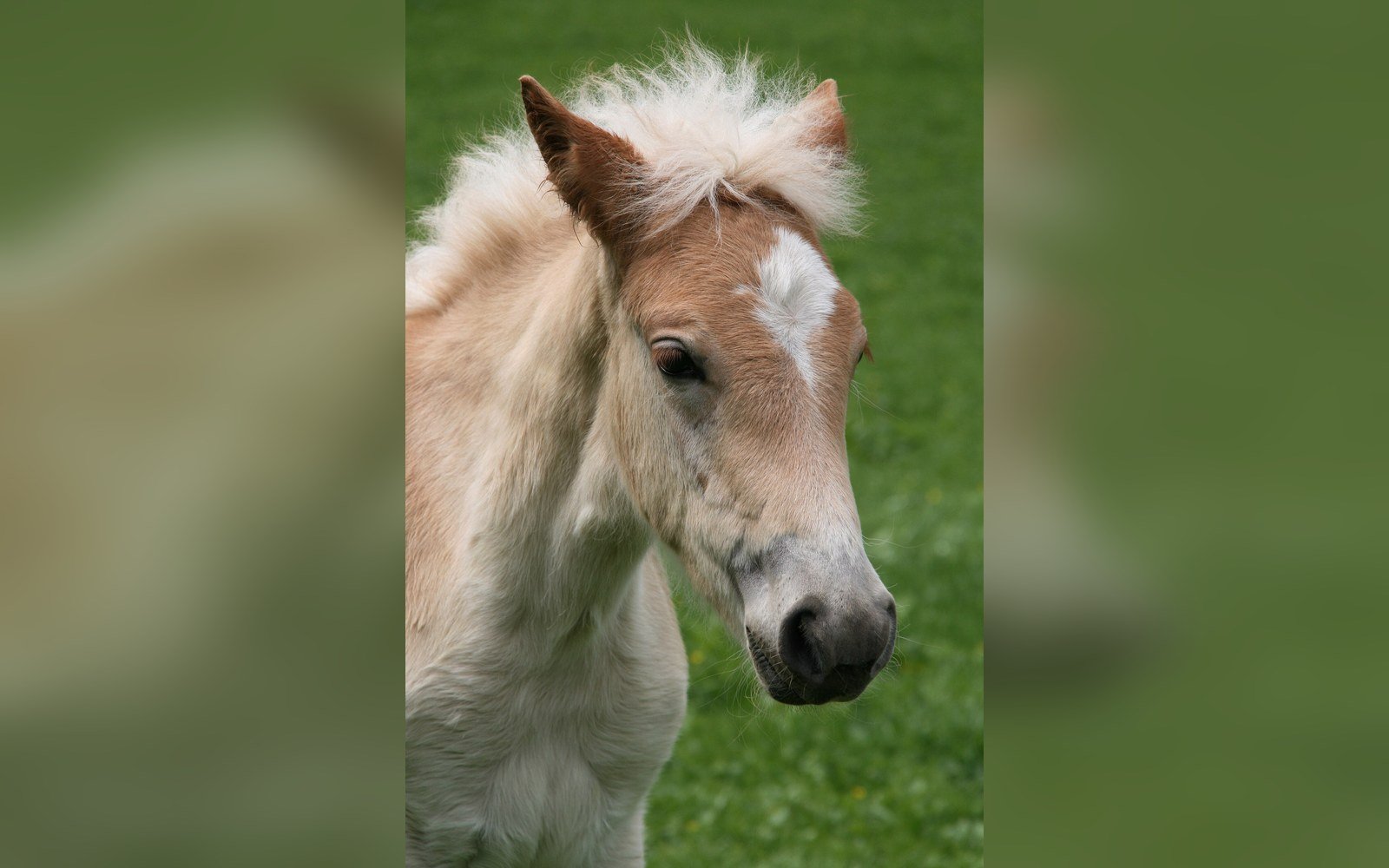
Every Haflinger in the studbook descends from one stallion, and every registered sire belongs to one of seven letter lines.
Photo: Haflinger Fohlen 01 · Wikimedia Commons
The Haflinger studbook, administered under the broader European framework for studbook breeds, maintains strict registration criteria including the characteristic chestnut coat with flaxen mane and tail. That phenotype is fixed partly by selection and partly by the closed-book structure that has governed registration since the late nineteenth century. The visual consistency is striking; every registered Haflinger alive today traces to that 1874 foundation sire through documented lines. But the colour is almost secondary to the conformation, which the studbook also controls — the breadth of chest, the short cannon bone, the muscled hindquarter — because those are the features the slope actually demands.
Every place named in this entry is a comune or a region, and sits on the map at its real coordinates.
Geometry: real coordinates, projected
What the work still looks like
High summer in the Vinschgau and Passeiertal valleys around Merano still brings horses onto the steep paths above the tree line. The work is less economically central than it was before mechanisation, but it has not vanished, partly because some ground remains inaccessible to machinery and partly because the culture of the masi has been deliberately maintained. An animal bred over centuries for this specific gradient does not suddenly become redundant when a tractor reaches the valley floor; it remains the appropriate tool for everything the tractor cannot reach.
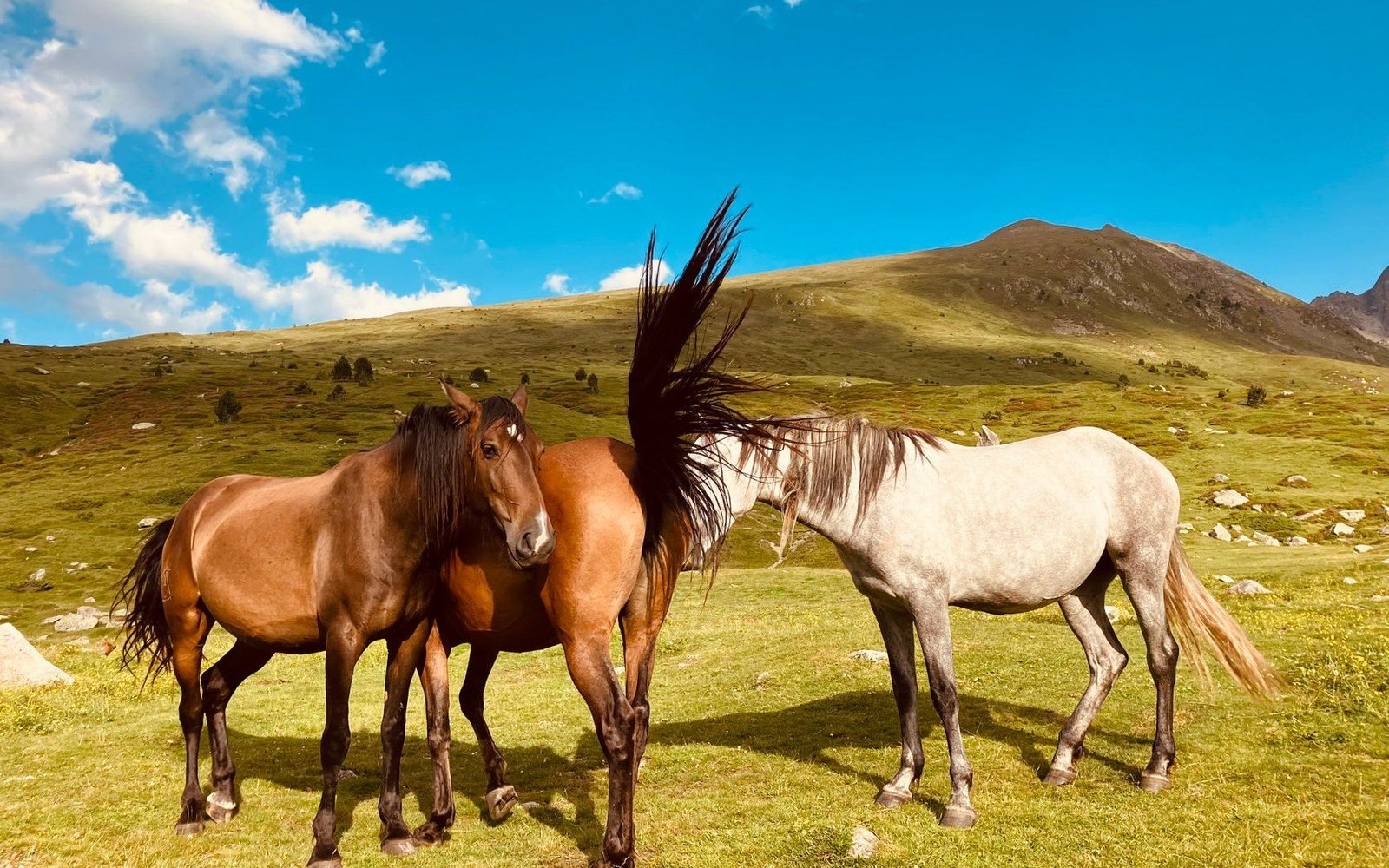
The horse's movement on a slope is immediately legible to anyone who watches it closely. The hindquarters lower and engage on descent, the head comes up slightly for balance, the feet are placed with a deliberateness that looks almost considered. That gait — unhurried, precise, weight distributed — is not trained. It comes with the breed, shaped by the ground over more generations than any studbook entry can fully record.
Read next