The Sardinian Anglo-Arab
A deliberate cross for stamina, and one of the few Italian breeds with a military origin.
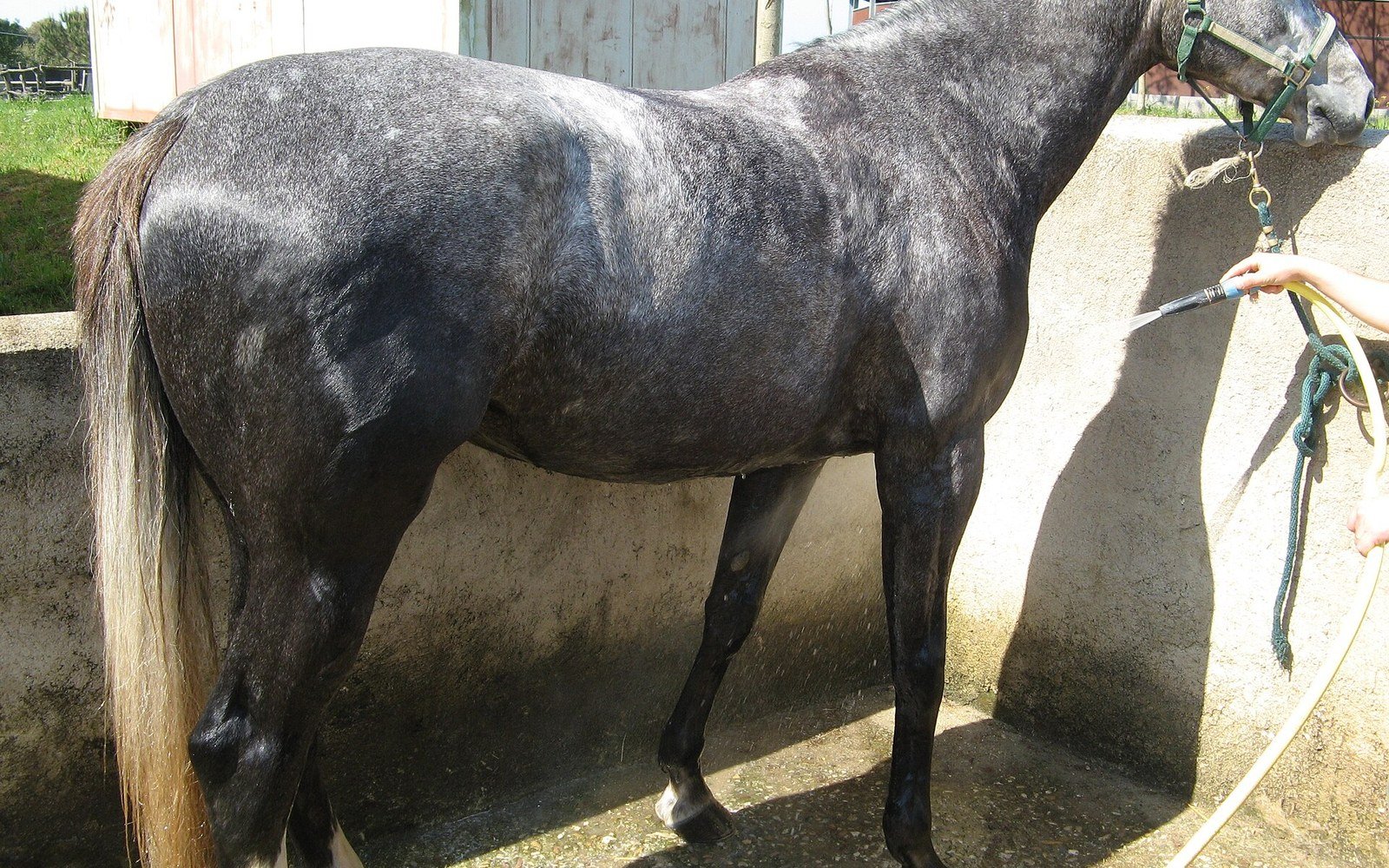
Photo: Anglo-Arabo-Sardo · Wikimedia Commons
A deliberate cross built for stamina — one of the few Italian breeds with a documented military origin.
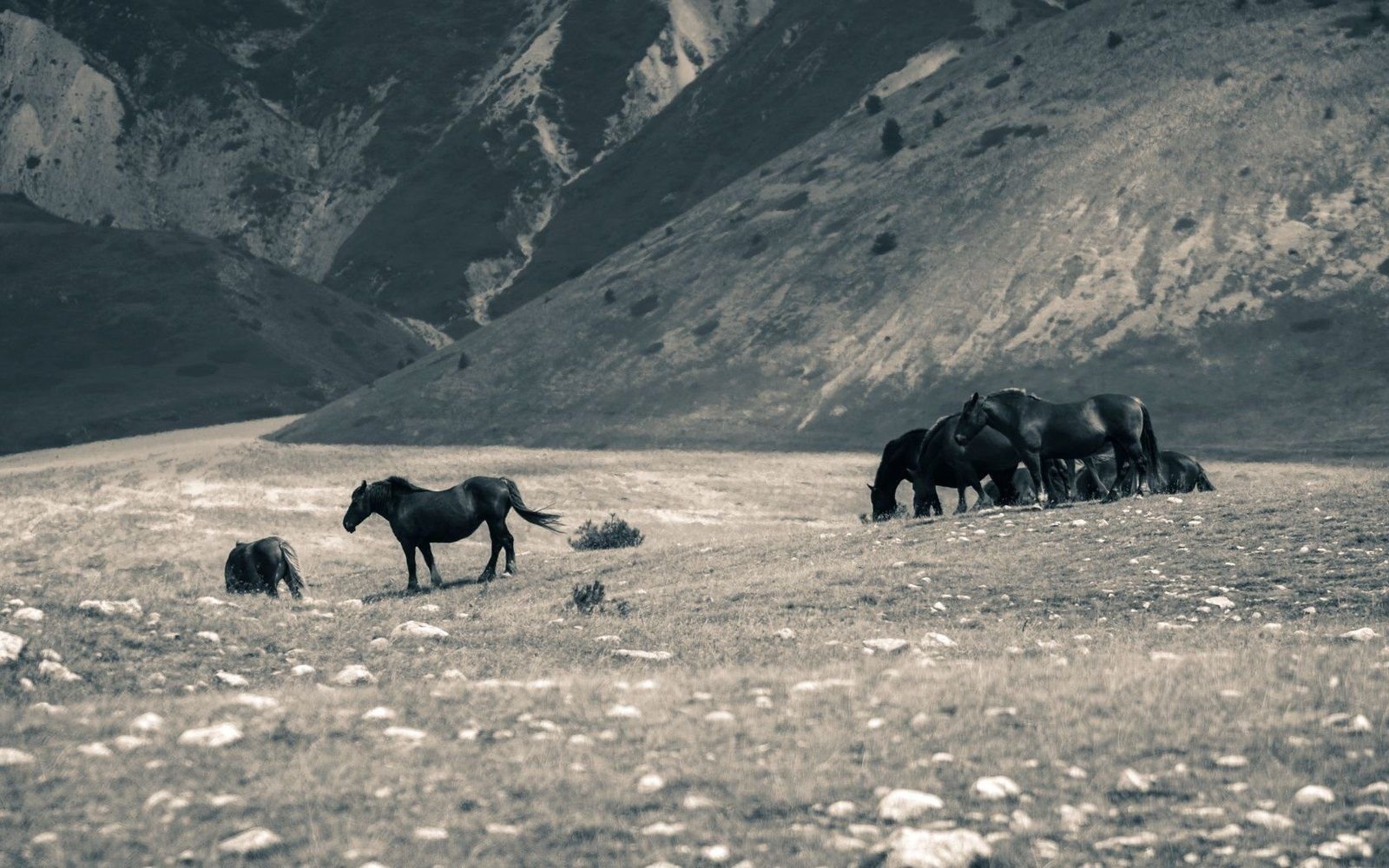
Sardinian breeding country is open and hot: the horse selected there was made for distance, not for turning.
Photo: alessandro pettorali / Pexels
A horse designed, not discovered
Most Italian regional breeds emerged gradually from geography and work. The Sardinian Anglo-Arab was engineered. In the late nineteenth and early twentieth centuries, the Italian cavalry needed a remount horse that could move fast over rough ground, carry a rider all day without breaking down, and survive on sparse forage. Sardinia, already home to a tough native population of small horses descended from ancient Barb and Oriental stock, was the obvious place to breed it.
The formula was precise: native Sardinian mares, crossed with English Thoroughbred and purebred Arabian stallions, in proportions that preserved endurance while adding scope and speed. The result is not a simple half-and-half cross but a registered breed maintained through a studbook — animals must carry a defined proportion of the three bloodlines to qualify. The national registry is managed by the Italian breed authorities, and the breeding centre at Ozieri, in the province of Sassari, has been central to selection for decades.
The horse that emerged from this programme is compact and lean — typically standing between 155 and 162 centimetres — with a dry head, prominent withers, hard feet and a notably efficient metabolism. The Thoroughbred contribution gives length of stride and lung capacity; the Arabian adds refinement, heat tolerance and the deep chest that supports sustained aerobic work; the native Sardinian base supplies the frugality and sure-footedness that Sardinian highland terrain demands. No single ancestor dominates the type, and that balance is the point.

The same gait carries different names from region to region; the working vocabulary was never standardised.
Photo: ROMAN ODINTSOV / Pexels
By the mid-twentieth century the military remount programme had wound down, but the breed had already proven itself in international endurance competition and show jumping, which gave breeders a new market and a new selection pressure. Today the Sardinian Anglo-Arab is the island's primary sport horse, exported across Europe and used on the mainland for eventing and endurance racing — carrying, in a different arena, the same qualities the cavalry once needed.
Read next